









Budget Friendly Health Tips for People Managing Anxiety Naturally
 August 20, 2026

Finding budget friendly health tips for people managing anxiety naturally changed my life when panic attacks drained my energy and empty pockets made therapy feel out of reach. That crushing chest tightness does not care about your bank account balance. You do not need expensive retreats or overpriced adaptogen powders to find steady relief. Real, grounding calm begins with accessible habits you can start using right now.
Master the Physiological Sigh and Diaphragmatic Breathwork
Slowing down your respiration rate costs absolutely nothing, yet it produces immediate physical relief when your heart starts hammering against your ribs. When anxiety flares, your breathing becomes shallow and rapid, which traps carbon dioxide in your lungs and signals impending doom to your brain.
To flip this emergency switch off, practice the physiological sigh. Take two quick sniffs in through your nose, filling your lungs completely on the first sniff and topping them off on the second, then release a long, unforced sigh out through your mouth. Doing this just three times in a row pops open collapsed alveoli in your lungs and triggers your vagus nerve to slow your pulse. I used to pull over in grocery store parking lots to do this when sudden panic made simple errands feel unbearable. You can do it quietly at your desk, on the bus, or standing in a crowded line without anyone noticing.
Budget Friendly Health Tips for People Managing Anxiety Naturally in the Kitchen
Grocery bills spike quickly if you fall for wellness marketing, but maintaining blood sugar stability remains the most reliable dietary strategy for steady nerves. When your glucose crashes after skipping a meal or eating refined sugar, your body pumps out adrenaline and cortisol to raise your blood sugar back up. That sudden chemical surge feels identical to an impending panic attack, tricking your mind into searching for danger where none exists.
Skip the expensive superfood tinctures and stock your pantry with basic, affordable staples. Canned black beans, brown rice, whole eggs, oats, and raw sunflower seeds deliver magnesium, zinc, and complex carbohydrates for pennies per serving. A hot mug of store-brand chamomile tea contains apigenin, an antioxidant compound that binds to the exact same brain receptors as prescription tranquilizers. Swapping afternoon espresso for loose-leaf chamomile or spearmint tea gives your adrenal glands an immediate break without straining your budget.

Leverage Free Cold Water Exposure to Halt Panic Spirals
Submerging your face in a bowl of ice-cold water interrupts an active anxiety spiral faster than almost any mental reasoning trick. When icy water touches the sensitive nerve endings around your eyes and nose, your body instantly activates the mammalian dive reflex. This ancient survival mechanism forces your parasympathetic nervous system to take over, dropping your heart rate by ten to twenty-five percent in seconds.
Fill a large mixing bowl with cold tap water, toss in four or five ice cubes, take a breath, and submerge your face for fifteen seconds. If you are stuck at work or away from home, run freezing cold water over the inside of your wrists or press a cold drink can against your neck. I keep a reusable gel pack in my freezer specifically for sudden evening adrenaline surges. It shocks your attention away from catastrophic thoughts and forces your physical body back into a grounded baseline.
Build a Low-Cost Morning Sunlight and Movement Routine
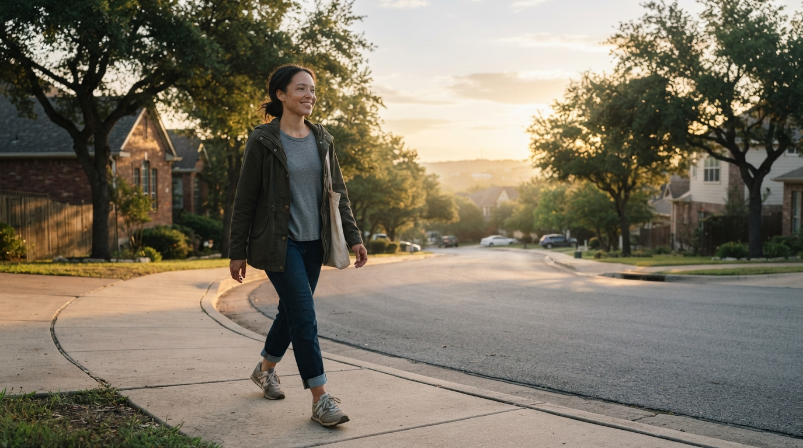
Stepping outdoors within thirty minutes of waking sets your internal biological clock and stabilizes emotional rhythms across the entire day. Natural morning sunlight hits the melanopsin retinal ganglion cells in your eyes, triggering a healthy cortisol peak that gives you energy and clears out morning brain fog. Testing various budget friendly health tips for people managing anxiety naturally over the years taught me that skipping morning light guaranteed evening restlessness.
Combine this early morning daylight exposure with a simple twenty-minute walk through your neighborhood. Low-intensity walking produces rhythmic, bilateral visual stimulation that quietens hyperactivity in the amygdala. You do not need a fancy gym membership, walking pads, or specialized workout gear to reap these rewards. Lace up whatever sneakers you own, leave your phone in your pocket, and look at the distant horizon while you walk to expand your visual field.
Practice Somatic Shaking and Progressive Muscle Tension Release
Chronic worry forces your physical body into a defensive posture, locking tension deep inside your neck, jaw, and hip flexors. Wild animals naturally discharge stress hormones by trembling violently after escaping a predator, but humans often suppress this reflex and stay tense. You can manually release this pent-up physical charge by practicing somatic shaking for two minutes every morning.
Stand with your feet shoulder-width apart, soften your knees, and bounce lightly while letting your arms, wrists, and shoulders flop freely. Afterward, lie flat on your bed or the floor to practice progressive muscle relaxation. Tense your feet tightly for five seconds, release them completely, and observe the warmth flowing back into your toes before moving upward to your calves, thighs, and stomach. Releasing physical tightness sends a bottom-up signal to your central nervous system that physical danger has passed.

Apply Strategic Digital Boundaries to Prevent Sensory Overload
Compulsive phone checking bombards your nervous system with micro-shocks of outrage, urgency, and comparison before you even brush your teeth. You do not need to purchase paid productivity software or habit-tracking subscriptions to protect your mental peace. Switching your smartphone screen to grayscale display mode strips away the bright red and blue dopamine triggers designed to keep you scrolling.
Both iOS and Android include this accessibility feature for free in their display settings. Set an automatic Do Not Disturb schedule starting at 8:30 PM so notification pings do not jar you out of a relaxed evening state. Leave your phone charging across the room rather than on your nightstand so you avoid late-night doomscrolling. Giving your eyes and brain two hours of low-stimulation quiet before sleep noticeably reduces midnight panic awakenings and morning dread.
Adopt Free Worry Journaling and Brain Dumping Methods
Intrusive thoughts gain massive power when they bounce around in your head without an outlet. Writing your worries down onto paper physically extracts them from your working memory and fosters cognitive defusion, helping you see your fears as temporary thoughts rather than absolute truths. When you lean into budget friendly health tips for people managing anxiety naturally, consistency matters far more than buying fancy guided journals or expensive stationary.
Grab scrap paper, an old notebook, or the backs of recycled envelopes. Set a timer for seven minutes and dump every irrational fear, unresolved task, and anxious thought directly onto the page without editing spelling or grammar. Once the timer dings, close the notebook or tear up the paper and throw it into the recycling bin. Giving your brain a structured container to worry prevents those thoughts from bleeding into the rest of your day.
Tap into Free Community Walks and Support Networks
Isolation intensifies chronic dread by convincing you that everyone else possesses total emotional stability while you struggle alone. Connecting with others grounds your nervous system through social co-regulation, which costs zero dollars. Look into local community walking clubs, library discussion circles, or free peer support meetings hosted by organizations like the National Alliance on Mental Illness.
Building community peer support allows you to voice your internal struggles without fear of judgment. If meeting in person feels overwhelming initially, free online forums like Reddit’s anxiety support community provide spaces to ask questions and share coping mechanisms with people walking the same path. Your local public library also offers free access to classic, evidence-based workbooks on cognitive behavioral therapy and acceptance commitment therapy. You can learn transformative mental resilience skills using free library cards and community resources.
Establish a Zero-Cost Evening Wind-Down and Sleep Sanctuary
Tossing and turning in bed while your racing mind replays every awkward conversation fuels high anxiety the following morning. Sleep deprivation amplifies amygdala reactivity by up to sixty percent, making everyday stressors feel like existential crises. You do not need an expensive weighted blanket or high-end sound machine to build an effective sleep sanctuary.
Lower your bedroom temperature by opening a window slightly, since a cooler room signals your brain to release melatonin. Block out light using thick towels over curtain rods or an inexpensive sleep mask. Swap overhead lights for low-wattage side lamps after sunset to encourage natural drowsiness. If background noise helps settle racing thoughts, use free brown noise or rain sounds from YouTube or Spotify instead of purchasing dedicated white noise gadgets. Preparing your sleep space hours before bedtime creates an environmental cue that allows your body to safely power down.
Frequently Asked Questions
What are the most effective budget friendly health tips for people managing anxiety naturally at home?
The most effective starting points are physiological sigh breathwork, morning sunlight exposure, and cold water face immersion. These three zero-cost practices directly regulate your autonomic nervous system within minutes. Pairing them with consistent sleep and stable blood sugar creates long-term resilience without requiring expensive equipment or boutique wellness supplements.
Can cutting out caffeine really reduce natural anxiety symptoms on a budget?
Yes. Caffeine triggers the release of adrenaline and blocks adenosine receptors, mimicking the exact physiological sensations of a panic attack. Tapering off coffee and switching to affordable herbal options like chamomile or peppermint tea saves money while dramatically reducing heart palpitations, restlessness, and sudden jitters throughout your workday.
How long does it take for natural low-cost anxiety habits to show results?
Physical techniques like cold water immersion and deep breathing produce relief within sixty seconds. Broader lifestyle habits, such as daily morning walks, consistent bedtime boundaries, and blood sugar balance, generally yield noticeable improvements in mental clarity and emotional steadiness within two to three weeks of steady daily practice.
Are expensive supplements necessary to lower daily stress levels?
No. Expensive adaptogen blends and branded supplements rarely outperform cheap, nutrient-dense whole foods like eggs, beans, and seeds. A balanced diet of affordable pantry items supplies the magnesium, zinc, and B vitamins your brain needs to synthesize calming neurotransmitters naturally, making costly wellness powders completely unnecessary.
What free mobile apps help soothe nervous system arousal?
Insight Timer offers thousands of free guided meditations and breathing timers without forcing a subscription. The free UCLA Mindful app provides evidence-based mindfulness exercises developed by researchers. Both tools offer high-quality audio sessions that teach nervous system regulation without charging monthly fees.
Conclusion
Building genuine inner calm comes down to simple daily habits rather than luxury wellness purchases. Focus on one or two free practices this week and give your nervous system time to settle into the rhythm. Which of these zero-cost tools are you going to try first today?