










Best Health Tips for People with Joint Pain in Winter
 August 20, 2026

Finding the best health tips for people with joint pain in winter becomes urgent the second that first cold front locks up your knees. You step out of bed, your ankles creak like floorboards, and every single step aches. Cold air makes joint fluid thicker and stiffens surrounding muscles fast. You do not have to spend all season trapped on the couch wrapped in heating pads.
1. The Best Health Tips for People with Joint Pain in Winter Start with Compression Layers
Putting on snug compression sleeves immediately traps body heat and stabilizes achy knees or wrists before you take your first morning step. Gentle pressure increases blood flow to restricted capillaries and reduces that initial morning stiffness. I keep a pair of copper knee sleeves right on my nightstand so I can pull them on before my feet touch cold hardwood floors.
Cold joints hate sudden weight-bearing movement without preparation. Warming the tissue mechanically prevents that sharp, grinding sensation during your first walk to the kitchen. Look for breathable nylon-spandex blends that provide firm support without cutting off circulation behind the knee.
2. Switch from Still Water to Warm Electrolyte Broths
Drinking warm bone broth or salted herbal teas keeps cartilage hydrated much better than chugging ice-cold tap water during freezing mornings. Cold weather tricks the brain into blunting thirst signals, which leads to dried-out connective tissue and increased friction in your joints. Sipping warm liquids raises core temperature while delivering essential minerals directly into your bloodstream.
Cartilage relies on high water content to cushion bone ends properly. When dehydration strikes in dry indoor heating, joints lose shock absorption and ache twice as much. Try making a mug of sipping bone broth with a pinch of sea salt every afternoon around three o’clock.
3. Master the 5-Minute Morning Range of Motion Flow
Gentle movement lubricates stiff hinges far better than staying stationary under a heavy blanket. Doing slow ankle circles, seated leg extensions, and shoulder rolls while still under the duvet pumps fresh synovial fluid through cold cartilage. This natural lubricant thins out as you move, reducing friction before you stand up.
Avoid aggressive stretching or ballistic jumping first thing in the morning. Ten slow repetitions per joint will wake up connective tissues without triggering reactive muscle guarding. FYI, doing this before your shower makes walking down the stairs completely pain-free.

4. Layer Moisture-Wicking Base Clothes Under Everything
Wearing merino wool or synthetic thermal leggings protects sensitive joint capsules from sudden temperature drops outdoors. Cold air causes peripheral blood vessels to constrict, routing blood away from extremities directly to your internal organs. Trapping ambient body warmth against the skin prevents deep tissue chilling that causes throbbing pain.
Cotton leggings fail completely because they hold onto sweat and turn icy cold against your skin. Invest in midweight merino wool thermals from brands like Smartwool for lasting joint insulation. You will feel an immediate difference in knee comfort during grocery runs.
5. Apply Topical Capsaicin or NSAID Gel Preemptively
Rubbing an anti-inflammatory gel directly over arthritic knuckles or knees blocks pain signals before winter weather triggers a flare. Topical treatments penetrate localized tissue without causing the stomach irritation linked to oral pain relievers. Applying topical diclofenac gel like Voltaren thirty minutes before outdoor activity blunts cold-induced inflammation effectively.
Capsaicin creams work wonders too by depleting substance P, the neurotransmitter responsible for sending ache signals to your brain. Always wash your hands thoroughly with cold soapy water after application. A pea-sized amount rubbed in circular motions is all you need for sustained relief.
6. Take Daily Vitamin D3 Paired with Vitamin K2
Shorter daylight hours cause vitamin D levels to plummet rapidly, which heightens systemic inflammation and bone sensitivity. Supplementing with vitamin D3 supports bone density and regulates immune responses that attack joint linings. Taking vitamin D3 with K2 ensures calcium deposits into your skeletal frame rather than collecting in arterial walls.
Most adults benefit from three to five thousand international units daily during dark winter months. Pair your dose with a healthy fat like avocado or olive oil to maximize absorption. Check your blood levels with your doctor every autumn to dial in your exact dosage.
7. Soak in an Epsom Salt Bath Before Bedtime
Submerging your body in hot water infused with magnesium sulfate melts muscular tension and soothes throbbing winter joints. Heat expands constricted blood vessels, flushing out metabolic waste and restoring flexible movement to tight hips and knees. When it comes to the best health tips for people with joint pain in winter, an evening Epsom salt soak remains an absolute classic.
Dissolve two full cups of pure magnesium flakes into a steaming tub and soak for twenty continuous minutes. The transdermal magnesium absorption relaxes tight tendons surrounding vulnerable joints. Step onto a secure bath mat afterward to keep your warmed muscles relaxed before climbing into bed.

8. Use Low-Impact Indoor Cycling for Daily Cardio
Pedaling on a stationary bike keeps legs moving smoothly without subjecting worn cartilage to hard asphalt impact. Smooth rotary pedaling pushes nutrient-rich fluid across knee and hip surfaces while building protective quadricep strength. Maintaining strong muscles around the joint takes physical pressure off worn cartilage during everyday winter tasks.
Keep the resistance setting relatively light and maintain a steady cadence of seventy revolutions per minute. Just fifteen minutes on a stationary recumbent bike warms stiff joints thoroughly without causing post-workout swelling. IMO, this beats outdoor winter walking when icy sidewalks present severe slip hazards.
9. Swap Inflammatory Winter Comfort Foods for Omega-3s
Heavy processed carbohydrates and sugary seasonal treats spike inflammatory cytokines that make arthritic joints throb relentlessly. Replacing refined snacks with wild-caught salmon, chia seeds, and walnuts floods your system with anti-inflammatory fatty acids. High-quality wild salmon fillets supply potent EPA and DHA that calm irritated joint capsules from within.
Consuming healthy fats daily provides structural building blocks for cell membranes and cartilage repair. Swap creamy canned soups for homemade vegetable stews loaded with extra virgin olive oil and turmeric. Your knees will notice the dietary shift within two weeks of consistent clean eating.
10. Run an Ultrasonic Humidifier in the Bedroom
Blasting home furnaces dry out indoor air drastically, which dehydrates respiratory tracts and depletes moisture from connective tissues. Maintaining indoor humidity between forty and fifty percent prevents tissues from drying out while you sleep. Placing a cool mist humidifier next to your nightstand keeps your skin, airway, and joints comfortable throughout freezing nights.
Dry indoor air increases overall systemic stress and accelerates nighttime fluid loss through breathing. Clean your machine weekly with distilled white vinegar to stop mineral buildup and mold spores. Waking up in a properly humidified room noticeably cuts down on morning hip and spine stiffness.
11. Invest in Supportive Cushioned Winter Footwear
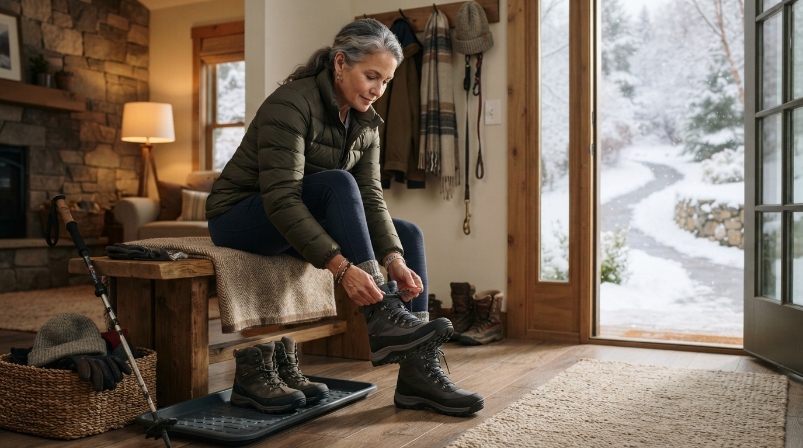
Rigid winter boots force ankles and knees into awkward angles, amplifying joint stress on hard ground. Choosing insulated boots with wide toe boxes and flexible outsoles allows natural foot mechanics to absorb ground impact. Wearing cushioned winter footwear with slip-resistant rubber soles prevents jarring shocks from traveling straight up into your hips.
Heavy boots lock your ankles in place, forcing knees to compensate for lost mobility. Pick lightweight waterproof options that insulate without feeling like cement blocks on your feet. Stable traction also keeps you from tensing up defensively on slick pavement.
12. Heat Your Clothes and Car Seat Before Stepping Out
Stepping into freezing outdoor temperatures shocks warm joints into sudden, defensive muscle spasms. Toss your pants, socks, and jacket into the dryer for five minutes before dressing, and preheat your car seat thoroughly. Applying the best health tips for people with joint pain in winter means preventing cold shock before it ever occurs.
A heated cabin keeps your lower back and hips relaxed during long winter commutes. You can also plug an electric seat cushion into older vehicles for instant therapeutic warmth. Preserving muscle warmth stops that familiar clenching reflex that triggers sharp back and neck spasms.
13. Practice Targeted Isometric Muscle Strengthening
Holding static muscle contractions builds robust joint stability without grinding fragile cartilage surfaces against each other. Wall sits, straight leg raises, and glute bridges activate protective stabilizer muscles safely inside a warm living room. Developing strength through isometric wall sits stabilizes knee caps and offloads stress from worn patellar cartilage.
Hold each position for twenty seconds while breathing steadily into your belly. Three brief rounds daily build a protective muscular sleeve around vulnerable knees and lower back discs. Strong surrounding muscles act like natural shock absorbers when navigating uneven snowbanks outside.
Frequently Asked Questions
Why do winter weather changes make joint pain feel worse?
Barometric pressure drops right before winter storms, allowing surrounding tissues to expand slightly inside tight joint spaces. Cold temperatures also thicken synovial fluid, reducing internal lubrication and stiffening nearby tendons. Keeping muscles warm and staying hydrated counteracts these sudden atmospheric pressure shifts effectively.
What are the best health tips for people with joint pain in winter who work at a desk?
Place a small space heater or heating pad near your feet to keep lower extremity circulation active. Stand up every forty-five minutes to perform gentle heel raises and knee bends. Alternating between sitting and standing prevents fluid from pooling and stiffening your hip joints during long work shifts.
Is heat or ice better for cold weather joint flare-ups?
Moist heat works best for general winter stiffness because it relaxes tight muscles and boosts local blood circulation. Use ice only if you experience acute swelling, redness, or heat radiating from an aggravated joint. For everyday morning stiffness, stick with a warm shower, heating pad, or warm bath.
How much water should I drink during winter to protect my joints?
Aim for at least eight glasses of warm or room temperature fluids daily, including herbal tea and broth. Indoor heaters dry out your connective tissue quickly without triggering strong thirst cues. Consistent hydration keeps your joint cartilage spongy, flexible, and fully capable of absorbing everyday movement shocks.
Can outdoor walking in winter damage arthritic knees?
Walking outdoors remains safe and beneficial as long as you wear supportive boots with excellent tread and dress in warm layers. Avoid slippery ice patches that force abrupt stabilizer muscle contractions. If outdoor conditions become too hazardous, switch to an indoor treadmill or mall walking to stay active.
Conclusion
Cold months do not have to sideline your daily walks or leave you dreading every sudden drop in the barometer. Sticking to simple habits like warming your gear, staying hydrated, and keeping your joints moving makes winter comfortable again. Which of these winter habits are you going to test out first this week?