










Budget Friendly Health Tips for People Managing Allergies
 August 21, 2026

I spent years waking up with swollen eyes and an empty wallet until I tested practical budget friendly health tips for people managing seasonal allergies. You do not need expensive boutique air purifiers or endless doctor visits just to breathe freely through both nostrils in April. Relief often comes down to simple daily habits, smart grocery swaps, and basic household tweaks that cost next to nothing.
1. Rinse Your Sinuses with a Simple Saline Flush
Flushing your nasal passages with distilled water and pure salt cleans out trapped pollen before it triggers an immune reaction. A basic plastic squeeze bottle or ceramic pot costs under ten dollars at any pharmacy and lasts indefinitely. Finding budget friendly health tips for people managing seasonal allergies often starts right in your bathroom cabinet.
Always boil your tap water first or purchase distilled gallons to avoid dangerous bacterial infections. Doing this saline nasal irrigation every evening washes away microscopic irritants collected during your daily commute. It clears breathing pathways without causing medicinal drowsiness.
2. Switch Out Your Pillowcases Every Single Night
Your hair acts like an electrostatic pollen magnet whenever you step outside. Laying your head on the same fabric for a week presses trapped allergens directly against your face while you sleep. Grabbing a multi-pack of cheap cotton pillow covers solves this issue immediately.
Rotate your pillow to the fresh side on night two, then toss it into the laundry hamper. This simple pillowcase rotation system drastically cuts down on morning sinus pressure and puffy eyelids. You will wake up refreshed without reaching for nasal spray right away.
3. Shift Your Shower Schedule to the Evening
Rinsing off before climbing into bed prevents outdoor tree and grass allergens from contaminating your mattress. A quick five-minute shower physically washes clinging particles from your skin, eyelashes, and scalp. Warm water also generates soothing steam that loosens stubborn mucus built up after hours outdoors.
Keep the bathroom door closed to trap humidity and take slow, deep breaths through your nose. Adding this evening rinse habit costs zero extra dollars and replaces the need for expensive steam inhalers. Your bed stays a clean sanctuary where your respiratory system can truly recover overnight.
4. Build an Affordable Corsi-Rosenthal Air Box
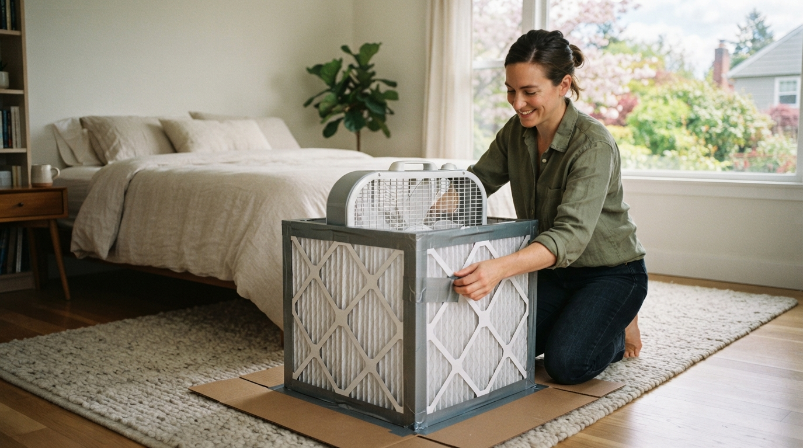
Commercial HEPA machines often carry high price tags and demand expensive replacement filters. You can build your own high-output purifier using four MERV 13 furnace filters, duct tape, and a basic box fan. This homemade setup circulates clean air across large living rooms for a tiny fraction of retail prices.
Tape the filters firmly to the intake sides with arrows pointing inward toward the center. Running this DIY air cleaner in your bedroom drops airborne particles within thirty minutes. It creates soothing white noise while scrubbing every trace of ambient pollen.
5. Stock Up on Generic Antihistamines from Warehouse Clubs
Name-brand allergy tablets sold at grocery checkout counters charge massive markups for recognizable packaging. Active ingredients like cetirizine, loratadine, and fexofenadine work identically whether in fancy boxes or plain bottles. Buying generic store brands from warehouse clubs nets you hundreds of doses for pennies per pill.
Checking the back panel confirms the exact chemical dosage matches the high-priced alternatives on top shelves. Sticking with generic allergy medication protects your monthly budget while delivering dependable twenty-four-hour relief from sneezing fits. Always verify expiration dates so your annual stock stays potent all season long.
6. Dab a Thin Layer of Petroleum Jelly Around Nostrils
Smearing a microscopic barrier of plain petroleum jelly at the base of your nose traps floating spores before you inhale them. This mechanical trap works wonders when you need to rake leaves or walk through neighborhood parks. A single three-dollar tub of generic jelly lasts through multiple seasons without expiring.
Apply a light film along the rim of each nostril before heading outside. This cheap nasal pollen barrier catches particles on the surface where you can easily wipe them away. It also prevents the delicate skin around your nostrils from cracking during dry spells.
7. Dry Your Laundry Indoors on a Folding Rack
Hanging damp clothing outside on a traditional line turns your favorite shirts into massive pollen traps. Floating spores adhere instantly to wet cotton, transferring irritants directly against your skin when you dress. Utilizing a portable indoor drying rack keeps your wardrobe completely free from airborne outdoor contaminants.
Set up the drying stand near a ceiling fan to speed up evaporation without running the electric dryer. Implementing an indoor clothes drying routine saves utility money while sparing your lungs from exposure. Your bed sheets will smell fresh without packing hidden botanical triggers.
8. Budget Friendly Health Tips for People Managing Seasonal Allergies in the Kitchen
Adjusting what sits on your dinner plate offers natural anti-inflammatory support without demanding high-end organic supplements. Eating onions, apples, and capers delivers natural quercetin, a bioflavonoid known to calm overactive histamine cells. Preparing meals with fresh ginger and turmeric also soothes inflamed throat tissues and irritated sinus linings naturally.
Drinking hot green tea provides natural antioxidants that help modulate your immune response during peak pollination spikes. Prioritizing these anti-inflammatory whole foods keeps your grocery bill lean while nourishing your body from the inside out. You get robust seasonal protection simply by loading up on standard produce aisle staples.

9. Track Local Pollen Counts and Time Your Outdoor Outings
Checking free weather apps allows you to schedule errands around daily peaks of airborne grass and tree pollen. Spore concentrations usually peak during dry, windy mid-mornings and early afternoons across most regions. Planning outdoor walks or workouts for early dawn or right after rainfall ensures you breathe significantly cleaner air.
Rain acts as nature’s vacuum by washing suspended particles straight out of the lower atmosphere. Implementing budget friendly health tips for people managing seasonal allergies helps you enjoy sunny afternoons without constant eye irritation. Following this strategic outdoor timing minimizes biological exposure without spending a dime.
10. Clean Your Pets with a Damp Microfiber Towel
Dogs and outdoor cats gather tremendous amounts of fine yellow dust after running across the yard. When pets jump onto sofas or rub against your legs, they deposit those allergens across your living space. Wiping your pet down with an ordinary wet rag removes those irritants before they spread.
Keep a dedicated damp towel near the back door to swipe paws and coats after outdoor breaks. This simple microfiber pet wipe habit prevents outdoor spores from accumulating in your rugs. Your companion stays clean, and your indoor air stays free from unnecessary triggers.
11. Wear Wraparound Sunglasses and a Broad-Brimmed Hat
Putting on physical barriers shields your eyes and facial membranes from direct contact with blustery outdoor breezes. Large sunglasses block flying particles from landing on sensitive conjunctival tissue where itchy reactions start. A standard baseball cap or sun hat keeps floating birch and oak spores out of your hair completely.
You probably already own these accessories, meaning this intervention requires zero new spending. Relying on protective outdoor eyewear drastically reduces the need for expensive medicated redness-relief eye drops. Slip them on before gardening or cycling to create an instant physical shield against seasonal irritation.
12. Wash Reusable HVAC and AC Filters with Dish Soap
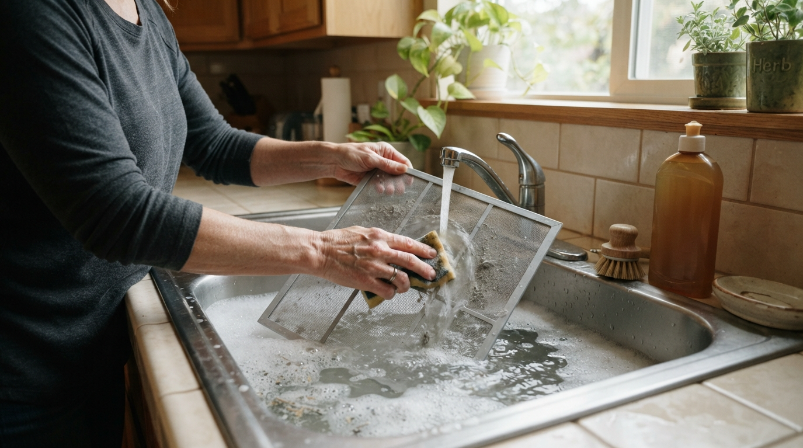
Clogged window air conditioners and central vents recirculate old dust throughout your home whenever the fan turns on. Instead of throwing out reusable mesh filters or buying cartridges constantly, soak them in your sink. Plain dish soap and warm tap water dissolve sticky grease, grime, and trapped pollen within minutes.
Let mesh screens air-dry completely before snapping them back into place to prevent mildew growth. Performing this reusable filter wash every three weeks maximizes airflow and keeps your home fresh. Your air conditioner runs more efficiently, which drops your utility bill while purifying your indoor air.
13. Inhale Steamy Peppermint Tea Before Bedtime
Brewing a piping hot mug of peppermint tea delivers soothing warmth to irritated vocal cords and dry throat tissues. Natural menthol vapors act as a gentle decongestant that thins stubborn mucus without pharmaceutical side effects. You can buy a standard box of peppermint tea bags for under three dollars at discount grocers.
Lean over your mug with a towel draped over your head to trap the herbal steam. Taking deep breaths through this herbal steam inhalation calms irritated nasal passages right before bedtime. Drink the warm tea afterward to hydrate your body and calm scratchy coughing spasms.
14. Keep Bedroom Windows Firmly Shut Overnight
Cracking your bedroom window for a cool breeze allows millions of microscopic spores to coat your bedding. Pollen counts often surge during the pre-dawn hours between four and seven as plants release fresh pollen. Keeping your window sashes securely locked overnight creates a solid defensive boundary against nighttime sinus attacks.
Rely on a standard oscillating fan near your bed if you need cool airflow to sleep comfortably. Maintaining this closed window policy prevents nighttime congestion spikes without requiring expensive mechanical ventilation. You will wake up breathing freely through both nostrils instead of battling morning headaches.
Frequently Asked Questions
How quickly do budget friendly health tips for people managing seasonal allergies provide relief?
Physical habits like saline nasal flushes, evening showers, and wearing sunglasses work almost instantly because they eliminate allergen contact right away. Dietary shifts and generic daily medications usually take several days of steady consistency to build optimal protection in your system. Combining both immediate physical barriers and consistent daily habits yields the fastest results.
Is a homemade saline solution safe for daily nasal irrigation?
Yes, provided you always use distilled or previously boiled water rather than unboiled tap water. Mix eight ounces of pure water with half a teaspoon of non-iodized salt and a pinch of baking soda. This gentle blend cleans your nasal lining without burning delicate tissues or introducing harmful microscopic bacteria.
Do budget DIY air filters really match expensive HEPA machines?
A homemade box fan equipped with MERV 13 furnace filters cleans air just as effectively as commercial purifiers costing hundreds. The large surface area captures fine mold spores, dust mites, and plant pollen without straining the motor. You get identical particulate reduction in standard bedrooms while saving substantial money on replacement components.
What is the cheapest food to help calm histamine responses?
Yellow onions and whole apples are among the most economical food sources of quercetin available at your local supermarket. Steeping regular green tea bags in hot water also releases catechins that assist your body in managing seasonal inflammation. Adding these basic staples to your grocery cart provides affordable, natural immune support.
Can house cleaning worsen seasonal allergy symptoms if done incorrectly?
Dry dusting with feather dusters or sweeping with standard brooms sends settled pollen floating straight back into your breathing zone. Always use damp microfiber cloths and vacuum cleaners with sealed filters to trap particles permanently. Cleaning while wearing an inexpensive face mask keeps your lungs protected during heavy chores.
Conclusion
Living through high-pollen seasons does not require draining your bank account on high-tech gadgets or boutique remedies. Practicing consistent physical barriers and simple hygiene habits will keep your nasal passages clear and your wallet full. Which simple household trick are you going to test out first this week?