










Best Health Tips for People Struggling with Irregular Sleep
 September 1, 2026

Finding the best health tips for people struggling with irregular sleep schedules saved my sanity when rotating shifts wrecked my energy. Staring at the ceiling at noon with burning eyes while the neighborhood mows the lawn is pure torture. You feel constantly jet-lagged, foggy, and completely out of sync with your own physical rhythms. Living on erratic hours destroys daily momentum without clear recovery boundaries.
1. Anchor Your Main Meal Times
Your digestive tract operates on its own internal clock that responds directly to when you chew food. When your sleep window bounces around the clock, eating at consistent hours prevents metabolic chaos. I keep my lunch and dinner within the same two-hour window every day regardless of when I wake up.
This practice stabilizes blood sugar levels and prevents the dreaded midnight acid reflux common among shift workers. Try logging meals on MyFitnessPal to keep your intake windows steady even when working chaotic hours. It keeps your liver rhythm predictable while your brain catches up.
2. Wear Dark Sunglasses on Morning Commutes
Exposing your retinas to bright morning sunlight tells your brain that daytime has arrived, instantly shutting off melatonin production. If you need to sleep at 8:00 AM after a night shift, that morning glare ruins your chances. I slip on a pair of polarized sunglasses before stepping out of the facility.
Blocking blue light during the commute tricks your central nervous system into staying in nighttime mode. In my experience, applying the best health tips for people struggling with irregular sleep schedules means aggressively guarding your eyes from daylight. Keep a pair of Uvex blue-blockers in your car glove box.
3. Invest in True Blackout Curtains
Streetlights, passing headlights, and afternoon sun easily penetrate cheap window blinds. Ambient light seeping through eyelids disrupts deep REM sleep cycles and causes frequent micro-awakenings. Installing heavy-duty blackout curtains creates a synthetic midnight environment at any hour of the day.
I bought heavy thermal panels from Amazon Basics and sealed the edges to eliminate slivers of light. You will notice deeper sleep quality and fewer midday awakenings within two days. Complete darkness signals the pineal gland to release restorative recovery hormones continuously.

4. Sip Tart Cherry Juice Before Sleeping
Synthetic melatonin pills often leave shift workers groggy long after waking up. Tart Montmorency cherry juice contains naturally occurring phytochemicals and bioavailable melatonin that gently ease physical tension. A small four-ounce glass thirty minutes before bedtime relaxes your muscles without creating grogginess.
Tart cherries also lower systemic inflammation caused by chronic sleep disruption. I mix Cheribundi juice with chilled sparkling water for a refreshing pre-bed drink. It settles your stomach while encouraging uninterrupted rest.
5. Maintain Anchor Sleep (The Best Health Tips for People Struggling with Irregular Sleep Schedules)
Anchor sleep refers to keeping a fixed four-hour sleep core at the exact same time every single day. Even when your shifts flip between days, afternoons, and nights, protecting this specific core preserves cognitive stability. For instance, committing to sleeping from 4:00 AM to 8:00 AM daily anchors your central clock.
You then take supplemental naps before or after shifts to reach a full seven hours of total rest. This hybrid approach prevents severe circadian disorientation and hormonal crashes. Sleep researchers at the National Sleep Foundation recommend this exact split method.
6. Run a Constant White Noise Machine
Daytime sleeping exposes your ears to barking dogs, delivery trucks, and lawnmowers. These sudden acoustic spikes jolt your nervous system into high alert even if you do not fully wake up. A dedicated sound machine blankets those sharp daytime sounds with steady ambient frequencies.
I use the LectroFan machine because it produces authentic fan sounds without annoying digital loops. Pair it with soft foam earplugs for complete acoustic isolation. Your heart rate stays steady because sudden neighborhood noises no longer trigger adrenaline.
7. Cut Caffeine Six Hours Before Bed
Coffee feels like an absolute lifeline when dragging through a 3:00 AM slump. Unfortunately, caffeine carries a quarter-life of up to twelve hours, blocking adenosine receptors when you need rest. Drinking coffee late into a shift ruins sleep efficiency and prevents deep recovery.
Switch to ice water or peppermint tea during the final six hours of your work block. Monitoring your intake on the HiCoffee app keeps stimulant levels in check. You will fall asleep noticeably faster once your shift wraps up.
8. Take Magnesium Glycinate Nightly
Erratic schedules deplete vital minerals through chronic stress and elevated cortisol levels. Magnesium glycinate binds to calming GABA receptors in the brain, relaxing tight muscles and reducing racing thoughts. Unlike magnesium oxide, the glycinate form absorbs efficiently without upsetting sensitive stomachs.
When I tested the best health tips for people struggling with irregular sleep schedules, taking Doctor’s Best Magnesium yielded immediate physical relief. Take three hundred milligrams forty-five minutes before your planned sleep period. Your physical restlessness drops noticeably within half an hour.
9. Keep Your Bedroom Temperature at 65 Degrees
Human core body temperature must drop by roughly two degrees Fahrenheit to initiate restful sleep. During hot daytime hours, trapped bedroom heat tricks the brain into remaining awake. Dialing your thermostat down creates the physical environment necessary for rapid sleep onset.
Setting up a cooling mattress pad like the Eight Sleep Pod provides continuous temperature regulation regardless of outside weather. Wear breathable cotton sleepwear to prevent trapped heat during sunny afternoons. A chilled bedroom prevents sudden wakeups caused by midday heatwaves.
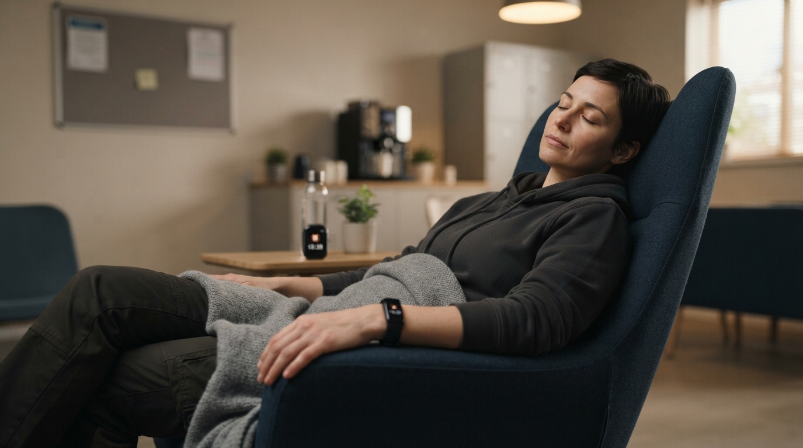
10. Schedule Tactical 20-Minute Power Naps
Sleeping for forty-five to sixty minutes during a break plunges your brain into deep slow-wave sleep. Waking up from that stage causes intense sleep inertia, leaving you feeling disoriented. Capping your tactical naps at twenty minutes gives you restorative stage-two rest without lingering grogginess.
Drink a quick espresso right before you close your eyes for a caffeine-nap combo. The caffeine kicks in after twenty minutes, waking you up naturally. Setting a vibration alarm on your Apple Watch guarantees you never oversleep your break.
11. Use Bright Light Boxes Upon Waking
Waking up at 5:00 PM during winter leaves you feeling drained because natural sunlight is absent. Your circadian pacemaker needs bright light exposure to reset daily alertness hormones. Placing a light therapy lamp on your kitchen table banishes lethargy rapidly.
Position the Verilux HappyLight about sixteen inches from your face while eating your morning meal. Keep it on for twenty minutes to elevate dopamine and focus naturally. This exposure resets your daily rhythm so you can sleep on cue later.
12. Establish a Strict Screen Curfew
Scrolling social media feeds in bed overstimulates your brain with fast visual input and blue light. That scrolling habit delays melatonin release by up to ninety minutes, sabotaging precious sleep windows. Shutting down screens thirty minutes before bed allows brain waves to slow down.
I leave my phone across the room and read a Kindle Paperwhite with warm lighting instead. If you must check your schedule on a laptop, turn on night-shift color modes. Giving your eyes a digital break guarantees faster sleep onset.
Frequently Asked Questions
What are the best health tips for people struggling with irregular sleep schedules when rotating shifts?
Prioritize anchor sleep by keeping a four-hour sleep core at the same time every single day. Manage light aggressively using dark sunglasses on morning commutes and 10,000-lux lamps upon waking. Lastly, eat your meals at consistent daily intervals to keep your metabolic clock stable across changing work rosters.
How do irregular sleep schedules affect long-term physical health?
Working irregular hours disrupts your peripheral circadian clocks, which regulate insulin sensitivity, cardiovascular function, and hormone balance. Over time, chronic sleep variability increases the risk of metabolic syndrome and digestive disorders. Taking targeted recovery steps and getting adequate total rest mitigates these long-term physiological strains effectively.
Is it better to take naps or sleep in one long block?
If your schedule permits a continuous seven to eight hours, a single consolidated sleep block is ideal. However, split sleeping works remarkably well for unpredictable rosters. Combining a core four-hour rest window with a scheduled ninety-minute nap provides full restorative sleep cycles without daytime grogginess.
Can exercise help reset an unpredictable sleep schedule?
Yes, moderate cardiovascular exercise acts as a powerful non-photic time cue for your body. Working out shortly after waking boosts body temperature and cortisol, signaling wakefulness. Avoid heavy weightlifting within three hours of bedtime, as elevated adrenaline and heart rates will keep you awake.
Which supplements are safest for erratic sleep patterns?
Magnesium glycinate and tart cherry juice are gentle, non-habit-forming options that support physical relaxation. Avoid high-dose synthetic melatonin supplements because they can worsen circadian confusion when taken at erratic hours. Always check with your physician before introducing new daily supplements into your wellness routine.
Conclusion
Taming a chaotic work schedule comes down to controlling light, meal timing, and your immediate bedroom environment. Once you establish consistent routines around your core hours, your body adapts and your daily energy returns. Which tip are you going to test on your next shift?