







Top Health Tips for People Managing High Cholesterol
 August 21, 2026
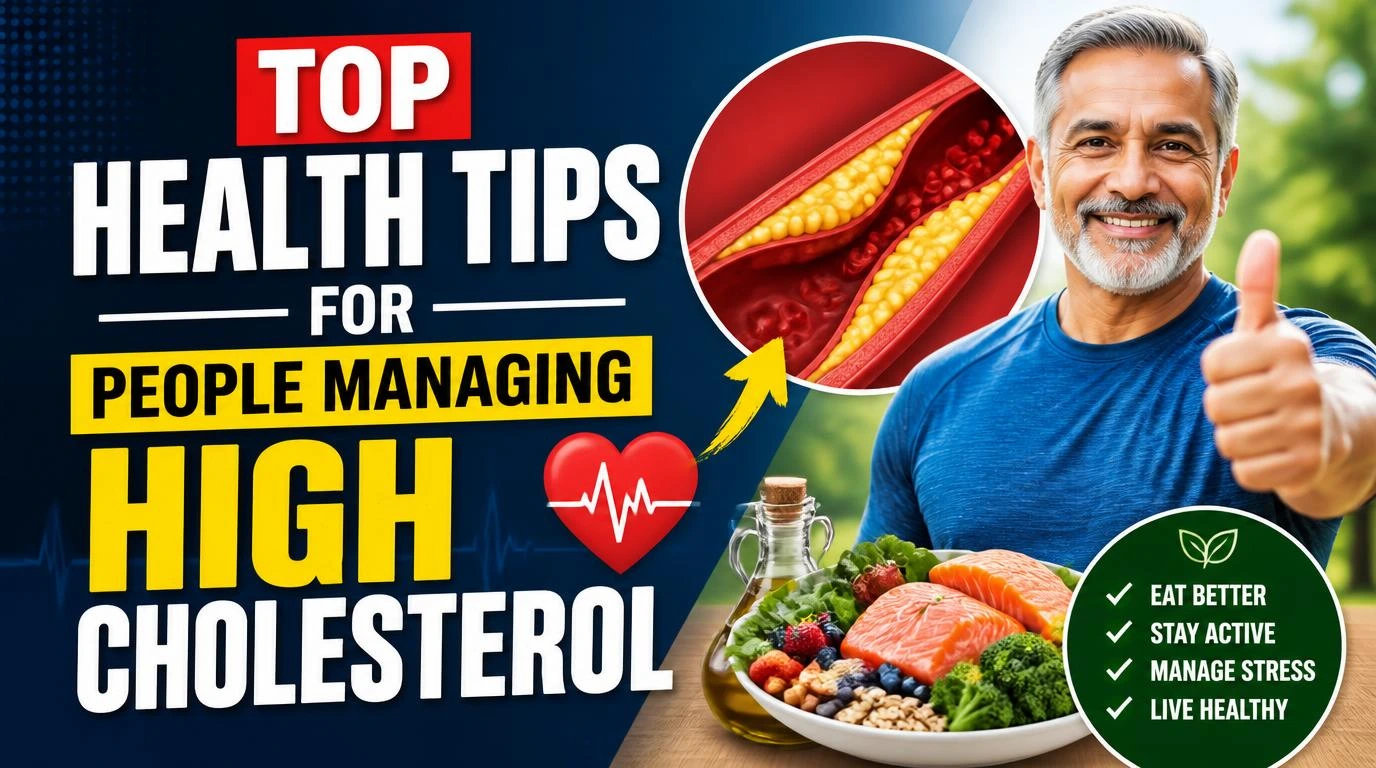
Finding reliable top health tips for people managing high cholesterol felt impossible when my doctor handed me my first terrible lab results. My stomach dropped, and I instantly imagined a future of bland oats and zero joy. Thankfully, fixing your lipid numbers does not mean giving up good food or living at the gym. Small, consistent shifts make a massive difference.
1. Load Up on Soluble Fiber Every Morning
Soluble fiber acts like a sponge inside your digestive tract, binding to cholesterol particles and dragging them out before they enter your blood. I started adding two tablespoons of ground chia seeds and raw oats to my breakfast every day. This simple routine gave my gut the exact tools needed to clear out excess low-density lipoprotein.
You can also toss psyllium husk into a morning glass of water if you want a fast boost. Just drink it quickly before it thickens into gel. Brands like Metamucil work well, but generic unflavored husks save money and skip artificial sweeteners.
2. Swap Butter for Extra Virgin Olive Oil
Saturated fats from heavy butter and lard signal your liver to pump out more harmful particles. Replacing those cooking fats with extra virgin olive oil delivers heart-healthy monounsaturated fats that protect your arteries. I keep a large bottle of California Olive Ranch right next to my stove for daily sautéing.
Drizzle it over roasted vegetables or whisk it with lemon juice for a quick salad dressing. You get rich flavor without the vascular damage. Your frying pan will sizzle just as nicely without a single slab of dairy butter.
3. Top Health Tips for People Managing High Cholesterol: Eat Fatty Fish Twice Weekly
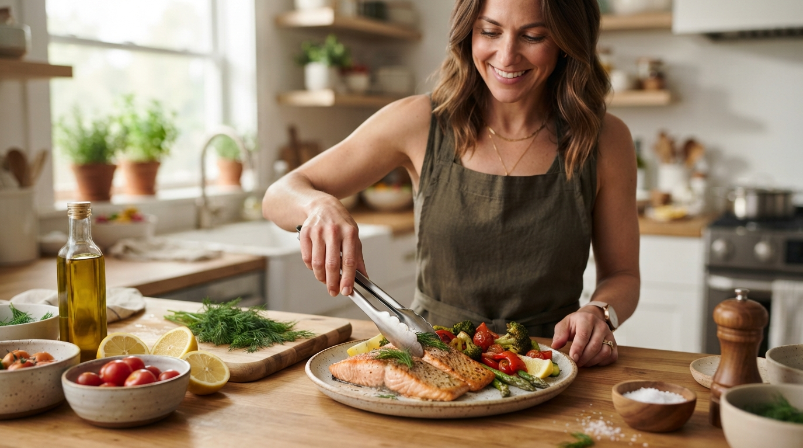
Wild salmon, sardines, and mackerel pack dense doses of omega-3 fatty acids that slash triglycerides and raise your protective HDL levels. I used to avoid tinned fish until I realized how fast a can of King Oscar sardines makes a stellar lunch on sourdough toast. Eating fatty fish twice a week provides essential compounds your body cannot manufacture on its own.
These fats calm arterial inflammation and stabilize heart rhythms over time. If you dislike fishy flavors, bake fresh trout fillets with garlic and dill for a mild, clean dinner. Consistency here keeps your blood flowing smoothly.
4. Snack on a Handful of Raw Walnuts
Grabbing a palm-sized portion of tree nuts curbs mid-afternoon hunger while delivering plant sterols and clean polyunsaturated fats. Tree nuts help stop your gut from absorbing bad cholesterol from other foods you eat. I portion out raw English walnuts into small glass jars every Sunday evening so I never overeat them.
Almonds and pistachios work just as well if walnuts taste too bitter to you. Avoid the heavily salted, oil-roasted convenience packs that sneak extra sodium into your day. Stick to raw or dry-roasted options to get genuine cardiovascular support.
5. Walk for Twenty Minutes After Dinner
A brisk post-meal stroll triggers your skeletal muscles to pull glucose and lipids out of your bloodstream for immediate energy. Instead of collapsing on the couch after eating, I lace up my sneakers and walk around my neighborhood. This easy habit helps activate lipoprotein lipase, an enzyme that clears circulating fats from your blood.
You do not need a grueling gym workout to see noticeable changes on your next blood panel. A steady walking pace while listening to a podcast gets the job done cleanly. Even fifteen minutes delivers real benefits if your schedule feels tight.
6. Cut Out Filtered Coffee and Switch to Paper Filters
Unfiltered brewing methods like French presses and espresso machines let naturally occurring oils called cafestol pass straight into your mug. Cafestol suppresses your body’s ability to regulate cholesterol production, quietly raising your serum levels. Switching to a standard paper coffee filter traps these compounds before they ever touch your lips.
My own numbers dropped twelve points simply by boxing up my beloved French press and using a Chemex pour-over. You still get robust morning flavor and caffeine without the hidden lipid spike. It takes zero extra effort once you establish the morning routine.
7. Build Meals Around Plant Proteins
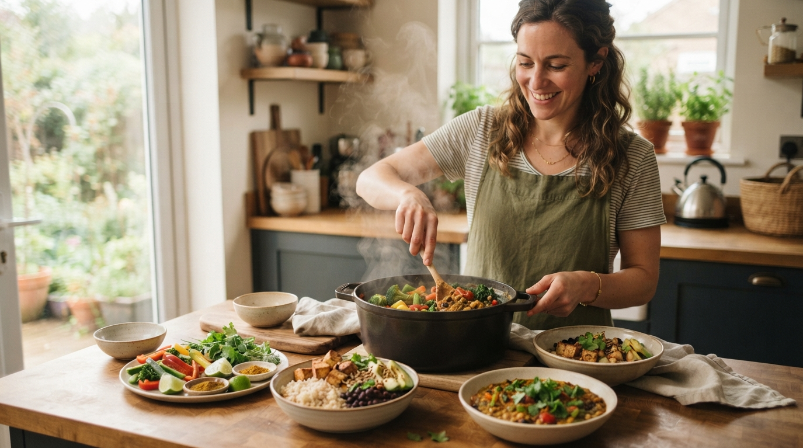
Swapping fatty beef or pork for legumes, lentils, and tofu reduces dietary saturated fat while ramping up heart-healthy nutrients. Applying these top health tips for people managing high cholesterol means making beans the star of dinner at least three nights a week. Black bean chili and lentil curries deliver immense flavor without burdening your cardiovascular system.
Soy proteins contain isoflavones that actively support healthy lipid balances in clinical studies. Firm tofu crisps up beautifully in an air fryer with a splash of low-sodium tamari. Give your body a regular break from heavy animal proteins and watch your markers improve.
8. Check Food Labels for Hidden Trans Fats
Food companies often hide artificial fats behind sneaky terms like partially hydrogenated oils to skirt regulatory reporting thresholds. These industrial compounds elevate bad LDL while actively depleting your protective HDL counts. Scanning the ingredient panel for partially hydrogenated oils protects you from accidental exposure in baked goods and frozen snacks.
Do not trust a front package label that proudly claims zero grams of trans fats. Manufacturers round down to zero if a serving contains less than half a gram. Reading the fine print on packaged crackers and pie crusts keeps you safe.
9. Lift Weights Twice a Week
Resistance training builds metabolically active lean muscle mass that alters how your body processes circulating fats. Strength workouts prompt your liver to clear lipids more efficiently while improving insulin sensitivity across all muscle groups. I use basic adjustable dumbbells in my living room for twenty minutes every Tuesday and Friday.
Focus on compound movements like squats, overhead presses, and bent-over rows to recruit major muscle fibers. You will boost your HDL numbers while protecting your joints against age-related decline. Lifting moderately heavy weights creates lasting cardiovascular benefits that cardio alone cannot match.
10. Drink Green Tea Instead of Afternoon Soda
Replacing sugary drinks or milky lattes with brewed green tea introduces potent antioxidant compounds directly into your bloodstream. Green tea leaves contain epigallocatechin gallate, a catechin known to lower total cholesterol and reduce oxidative damage to blood vessels. Brewing a hot mug of sencha around three in the afternoon cuts my cravings instantly.
Avoid bottled convenience teas that load up on cane sugar and high fructose corn syrup. Buy whole leaf tea bags or loose leaves from brands like Ito En for authentic potency. Drinking two cups a day provides noticeable support for your heart.
11. Prioritize Seven Hours of Deep Sleep
Chronic sleep deprivation triggers cortisol spikes that prompt your liver to overproduce cholesterol throughout the night. Poor rest also disrupts your appetite hormones, driving intense cravings for sugary, high-fat snacks the following afternoon. Prioritizing strict sleep hygiene keeps your nervous system calm and your metabolic pathways functioning properly.
I set a phone alarm for ten at night to shut off all screens and read a paperback under warm lighting. Going to bed at the same time every evening stabilized my morning resting heart rate. Quality sleep gives your vascular tissues essential time to repair themselves.

12. Track Your Saturated Fat Grams Daily
Guessing your intake leads to underestimating how much saturated fat sneaks into meals through sauces and cheeses. Using a tracking app like Cronometer reveals your true numbers. Keeping your daily saturated fat intake below fifteen grams creates rapid improvements in your lipid profile.
I discovered that my lunchtime sandwich dumped twenty grams of saturated fat through bacon and cheddar. Swapping in roasted turkey and avocado fixed the problem instantly. Hard data removes guesswork and keeps you accountable.
13. Incorporate Plant Sterols and Stanols
Plant sterols have a molecular structure strikingly similar to cholesterol, allowing them to compete for absorption in your small intestine. When you consume them alongside meals, your body absorbs the plant compounds and flushes the cholesterol out. Adding foods fortified with plant sterols offers a proven dietary assist for stubborn lab markers.
Look for sterol-fortified spreads like Benecol or take a basic dietary supplement before your heaviest meal of the day. Discussing these additions with your physician ensures they complement any current medical plan. Two grams daily can lower LDL absorption significantly.
Frequently Asked Questions
How fast can lifestyle changes lower my cholesterol numbers?
Most people notice measurable changes on their blood panel within six to twelve weeks of consistent dietary shifts and daily movement. Your liver responds quickly when you cut saturated fats and boost soluble fiber. Get a follow-up lipid test after three months to evaluate your progress accurately.
Are eggs safe to eat if I have high cholesterol?
Yes, whole eggs can fit into a heart-conscious lifestyle for most adults. Dietary cholesterol found in egg yolks impacts blood cholesterol far less than saturated fat does. Stick to one whole egg per day or mix whole eggs with egg whites to keep total dietary fat balanced.
Which top health tips for people managing high cholesterol work fastest?
Slashing saturated fat intake below ten grams daily and taking five grams of soluble psyllium husk yield the quickest results. These two habits stop excess cholesterol production while trapping existing particles in your digestive tract. Adding thirty minutes of daily walking accelerates those positive shifts even further.
Can exercise alone bring my lipid numbers into normal range?
Cardio and lifting weights improve HDL and reduce triglycerides, but workouts cannot completely outrun a diet heavy in saturated fats. You need both nutritional changes and physical activity to lower LDL meaningfully. Think of exercise as cardiovascular protection and smart eating as your primary cholesterol filter.
Do I still need medication if I follow all these habits?
That depends entirely on your genetics and overall cardiovascular risk score. Lifestyle habits lower numbers significantly, but familial hypercholesterolemia often requires prescription statins alongside healthy routines. Always review your blood work with your doctor before making any decisions about prescription medications.
Conclusion
Taking control of your lipid panel does not require an extreme overhaul overnight. Pick two habits from this list today, stick with them for a month, and let the momentum build naturally. Which change are you planning to test out first?