








Budget Friendly Health Tips for People Without Health Insurance
 August 21, 2026

I rely on budget friendly health tips for people without health insurance because walking into an urgent care clinic without a plastic coverage card used to terrify me. That panic when a fever spikes or a tooth throbs is unforgettable. You do not have to gamble with your physical well-being just because traditional coverage costs a fortune. Small, strategic habits build real medical security right now.
1. Budget Friendly Health Tips for People Without Health Insurance: Find Community Health Centers
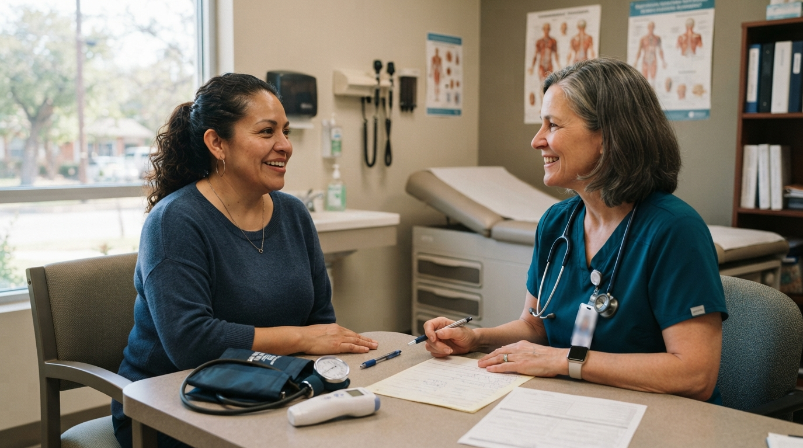
Federally Qualified Health Centers receive direct federal funding to provide comprehensive medical care regardless of your current financial situation. These clinics offer standard checkups, comprehensive blood work, and basic dental services tied directly to your household earnings.
Bring a recent tax return or two consecutive paystubs to your first appointment to establish your qualifying tier on their sliding fee scale. I used one for three years and paid twenty dollars for routine annual blood panels that standard private medical offices bill at hundreds.
2. Always Ask for Cash Pay Discounts Upfront
Medical billing departments routinely charge uninsured patients inflated list prices that traditional insurance companies never pay. Asking directly for an upfront uninsured discount immediately slashes that invoice total by forty to seventy percent.
Call the billing office before your scheduled appointment and ask what they charge for immediate settlement in full. Many regional hospital systems and independent imaging facilities gladly honor a reduced self-pay rate because it eliminates costly third-party collection fees.
3. Use Prescription Discount Apps at the Pharmacy Counter
Never pay retail cash prices for generic or brand medications without comparing digital discount vouchers first. Free digital tools like GoodRx and SingleCare bypass insurance entirely and provide negotiated group prices directly to everyday consumers.
Show the pharmacy technician the digital coupon screen on your phone before they ring up the transaction. In my experience, routing ongoing prescriptions through Mark Cuban Cost Plus Drug Company dropped my monthly refill cost from fifty-two dollars down to eight dollars plus shipping.
4. Shop Around for Outpatient Lab Tests and Imaging
Having a family physician order routine blood work or an MRI does not obligate you to use an overpriced hospital diagnostic lab. Standalone medical laboratories and independent radiology facilities charge a fraction of hospital rates for identical clinical procedures.
Order your routine wellness screenings directly through consumer services like QuestDirect without paying an extra specialist consultation fee. Gathering budget friendly health tips for people without health insurance taught me that independent imaging centers perform standard joint MRIs for three hundred dollars instead of three thousand.
5. Visit Dental Hygiene Schools for Deep Cleanings
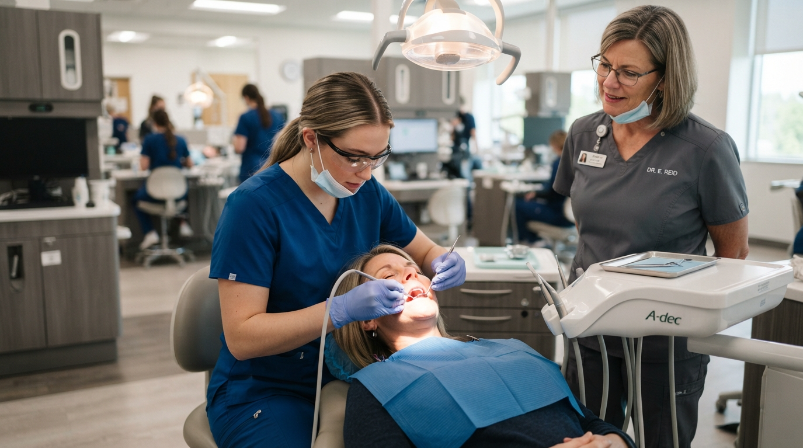
Routine dental exams and preventative cleanings protect cardiovascular health, yet standard private dental practices charge substantial out-of-pocket fees. Local university dental programs and accredited dental hygiene training clinics offer supervised preventative care at steep discounts.
Licensed dental faculty oversee every step of the cleaning, probing, and X-ray evaluation to guarantee high professional standards. The appointments take longer because students work methodically, but paying twenty-five dollars for a thorough preventative dental cleaning keeps your teeth healthy without draining your emergency fund.
6. Take Advantage of Retail Health Clinics for Minor Illnesses
Sitting in an emergency room or standard urgent care center for an ear infection triggers massive facility fees and unpredictable billing. Walk-in medical clinics located inside major pharmacy chains offer clear, fixed pricing menus posted publicly on their websites.
MinuteClinic at CVS and similar pharmacy locations treat seasonal flu, strep throat, and minor skin irritations with total price transparency. Visiting a walk-in retail clinic lets you review exact out-of-pocket costs online before leaving your house, preventing unpleasant financial surprises later.
7. Use Direct Primary Care Practices for Predictable Costs
Direct primary care clinics operate completely outside the traditional insurance billing maze on a transparent monthly membership model. Members pay a flat fee between fifty and eighty dollars per month for unlimited office visits, direct physician texting, and wholesale in-office lab testing.
This clinical structure lets you build an ongoing relationship with a dedicated family physician who knows your medical background thoroughly. You skip copays and access deeply discounted generic medications through a direct primary care membership without dealing with bureaucratic claim denials.
8. Stock a Smart Home Medicine Cabinet
Treating minor health issues early at home prevents minor symptoms from developing into expensive medical emergencies down the road. Keeping essential diagnostic supplies like a pulse oximeter, digital thermometer, and blood pressure monitor gives you clear, objective physiological data.
Sharing these exact vital signs during a telehealth call helps a remote doctor evaluate your condition accurately without an in-person clinic fee. Applying budget friendly health tips for people without health insurance means investing twenty dollars in an at-home blood pressure monitor to identify cardiovascular trends early.
9. Access Low-Cost Telehealth for Everyday Consultations
Virtual doctor visits provide rapid, convenient medical advice for a fraction of the cost of standard clinic appointments. Modern cash-pay telehealth platforms connect you with board-certified physicians for routine infection treatments, skin rashes, and non-controlled prescription refills at transparent flat rates.
Platforms like Sesame Care and Amazon Clinic allow you to compare upfront provider pricing and book immediate video appointments for under thirty-five dollars. Opting for cash-pay telehealth eliminates travel costs, skips crowded clinic waiting rooms, and guarantees an exact price tag before you speak with a doctor.

10. Prioritize Free Preventative Screenings at Local Health Fairs
County health departments and hospital non-profit foundations regularly organize public wellness events that offer free preventative checkups. These community fairs routinely provide free blood glucose testing, total lipid panels, basic vision screenings, and seasonal flu shots.
Check your municipal health division calendar or public library community board every spring and autumn for upcoming scheduled dates. Attending a community health screening provides vital baseline metabolic metrics once or twice a year without costing you a single dollar.
11. Request Itemized Medical Bills and Negotiate Settlements
Whenever you receive a medical bill in the mail, never pay the full initial balance without requesting an itemized invoice. Coding mistakes, duplicate line items, and unbundled lab fees show up on standard hospital statements with surprising frequency.
Reviewing budget friendly health tips for people without health insurance empowers you to contact billing offices and question unjustified charges calmly. Demanding a detailed itemized medical bill often reduces the bottom-line balance significantly before you propose a realistic lump-sum cash settlement.
12. Use Patient Assistance Programs for Costly Medications
Major pharmaceutical manufacturers maintain dedicated charitable foundations to distribute name-brand medications to uninsured patients with limited incomes. These manufacturer programs supply essential daily maintenance drugs for chronic conditions like asthma, diabetes, and hypertension at no cost.
Search non-profit databases like NeedyMeds or RxAssist to download the specific enrollment paperwork for your daily prescriptions. Enrolling in an official patient assistance program can secure a full twelve-month supply of critical maintenance medication delivered directly to your home for free.
Frequently Asked Questions
How can I find low-cost doctors near me without coverage?
Search the Health Resources and Services Administration online database to locate your nearest Federally Qualified Health Center. These community clinics provide comprehensive primary care, pediatric services, and mental health counseling with visit fees adjusted directly to your income. Call ahead to confirm what income verification documents they require.
What are the best budget friendly health tips for uninsured people needing lab tests?
Skip hospital diagnostic facilities and purchase your blood panels directly online through independent consumer services like Ulta Lab Tests. You select the needed tests, pay a discounted cash rate online, and complete your blood draw at a local Quest Diagnostics site. Results arrive securely in your private online portal.
Can hospital emergency rooms turn me away if I lack insurance?
Federal law requires emergency departments at hospitals accepting Medicare funds to evaluate and stabilize anyone experiencing a medical emergency regardless of insurance status. However, emergency rooms charge substantial facility fees, so reserve hospital visits for genuine crises and apply for the hospital charity care program to reduce the bill.
How does direct primary care differ from traditional medical practices?
Direct primary care removes third-party insurance billing completely. You pay an affordable monthly membership fee directly to the doctor, which covers regular visits, wholesale generic medications, routine blood tests, and direct messaging. It delivers predictable, low-cost primary care without deductibles, claim forms, or unexpected facility invoices.
What should I do if I receive a massive medical bill I cannot pay?
Contact the hospital billing office immediately and request their financial assistance policy paperwork before making any payments. Non-profit hospitals must provide charity care discounts or total debt forgiveness based on specific income thresholds. If you do not qualify, offer a modest cash settlement or set up an interest-free payment plan.
Conclusion
Staying healthy does not require an expensive health plan when you know how to use cash discounts and community resources. Take control of your medical care by building these proactive habits before an unexpected illness strikes. Which of these affordable healthcare strategies will you try first?